Skin Is Protected by a Thick Oily Substance Called
Other potential causes for sudden onsets of oily skin may also be hormonal disorders such as acromegaly. Also children and teenagers should be particularly protected from the sun since having blistering sunburns early in life.
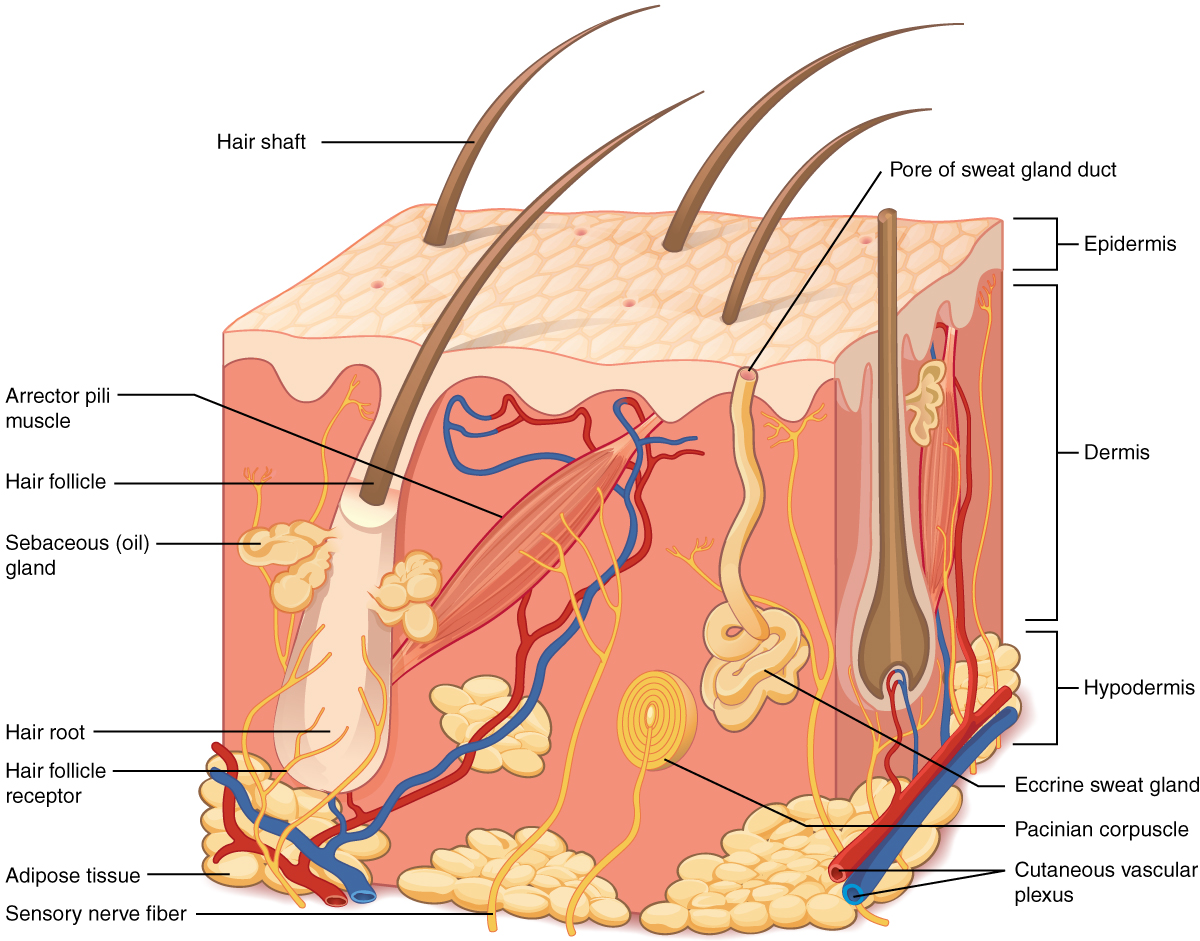
Integumentary System Biology For Majors Ii
The number one way to prevent the spread of disease is _____.

. Click the link for more information fat cells hair follicles and muscles. Sebaceous glands secrete the oily waxy substance called sebum Latin. The number-one way to prevent the spread of disease is.
The smaller the bore or lumen of the hollow syringe needle the _____ the gauge. The diameter of the lumen of the needle is called the. Sebaceous secretions in conjunction with apocrine glands also play an important thermoregulatory role.
Gland in the skin of mammals that secretes an oily substance called sebum. Matching game word search puzzle and hangman also available. The dermis is the outermost layer of the skin.
Staying in the shade and wearing protective clothing. The amount of water lost through the skin is almost _____ milliliters a day. Typical sweat glands of skin - perspiration.
500 1000 200 50 TrueFalse. The number one way to prevent spread of disease is. The function of sebaceous glands is to produce the thick oily substance called sebum which waterproofs the hair and skin and helps prevent them from drying out.
Oil glands secrete an oily substance called sebum. Asked Aug 14 2019 in Health Professions by Dlebve. Connected to the hair follicle these glands produce an oily substance called sebum that keeps your skin and hair lubricated.
Potential causes may be stress insufficient hydration an overly sweet diet or an intense skin cleaning routine. It also helps protect your skin and helps make it. The skin is designed to reduce the harmful effect of ultraviolet radiation contained in sunlight.
Study free flashcards about Stack 1278225 created by Miesha_ to improve your grades. A hump curvature in the thoracic area of the spine. Called oil glands.
In hot conditions the secretions emulsify the sweat. Which level of burn may not be painful. The amount of water lost through the skin is almost _____ milliliters a day.
Correct order of layers of the cutaneous membrane epidermis dermis hypodermis The condition that results from clogged sebaceous glands is acne Injections made under the skin are called hypodermal injections Accessory structures of the skin include hair follicles arrector pili muscles apocrine sweat glands and sebaceous glands A burn that penetrates the epidermis and part of. Hair regulates body temperature and provides protection against external injury. The skin is designed to screen out any harmful ultraviolet radiation contained in sunlight.
Skin is protected by a thick oily substance called. Asked Aug 16 2019 in Nursing by phuongdiep. This is the thicker inner layer of the skin.
Skin is protected by a thick oily substance called. The dermis is the deeper layer of skin which acts as a cushion protecting the body from harsh impacts. The hair follicles produce the various types of hair found throughout the body.
Sebum acts to protect and water proof hair and skin to keep them from drying out. The skin is protected by a thick oily substance called. It contains matted masses of connective tissue collagen tissue bands elastic fibers nerve endings muscles hair follicles oil and sweat glands and fat cells.
The dermis is the outermost layer of the skin. Click the link for more information fat cells hair follicles and muscles. The number one way to prevent the spread of disease is.
Primarily affecting middle-aged people this disorder is caused by benign tumors. The Skin s Glands - Sebaceous glands. These glands secrete sebum SEE-bum a fatty or oily substance that lubricates the skin and preserves the softness of the hair.
Hair contains keratinized calls which are found in the. Thick oily substance secreted by sebaceous glands that lubricates skin to prevent drying out. It contains many complex structures including nerves blood vessels hair follicles sweat glands and sebaceous glands which produce the waxy oily substance that coats your skin to protect it from environmental damage.
- sudoriferous glands. In humans sebaceous glands are primarily found in association with hair follicles but also occur in hairless areas of the skin except for the palms of the hand and soles of the feet. With the exception of the palms of the hands and the soles of the feet these glands.
Skin is protected by a thick oily substance called _____. While you cant necessarily get rid of oily skin you can take steps to make your skin less oily. Gland in the skin of mammals that secretes an oily substance called sebum.
The key is to identify one or more of these seven underlying causes. Herparin and histamine are produced by the. Skin is protected by a thick oily substance called _____.
The various shades of the human skin color are determined by the amount of. The number-one way to prevent the spread of disease is _____. Skin is protected by a thick oily substance called _____.
Sebum lubricates the skin and hair of mammals. Produce substance called sebum that lubricates skin surface - sebum. Fat tallow that is made of triglycerides wax esters squalene and metabolites of fat-producing cells.
The nerve endings called receptors perform. Sebaceous glands sih-BAY-shus GLANZ also known as oil glands are connected to the hair follicles. They consist of little sacs with ducts that open into the follicles.
Keeping the fingernails short. Sebum is an oily substance that keeps the skin moist and soft and acts as a barrier against foreign substances. In humans sebaceous glands are primarily found in association with hair follicles but also occur in hairless areas of the skin except for the palms of the hand and soles of the feet.
Another term for sweating - the sudoriferous glands create perspiration which is.
The Science Of Skin
:watermark(/images/watermark_only_sm.png,0,0,0):watermark(/images/logo_url_sm.png,-10,-10,0):format(jpeg)/images/anatomy_term/hair-shaft/6LDs0jBCUnUduhXT7SCGw_Hair_shaft_02.png)
Integumentary System Definition Diagram And Function Kenhub
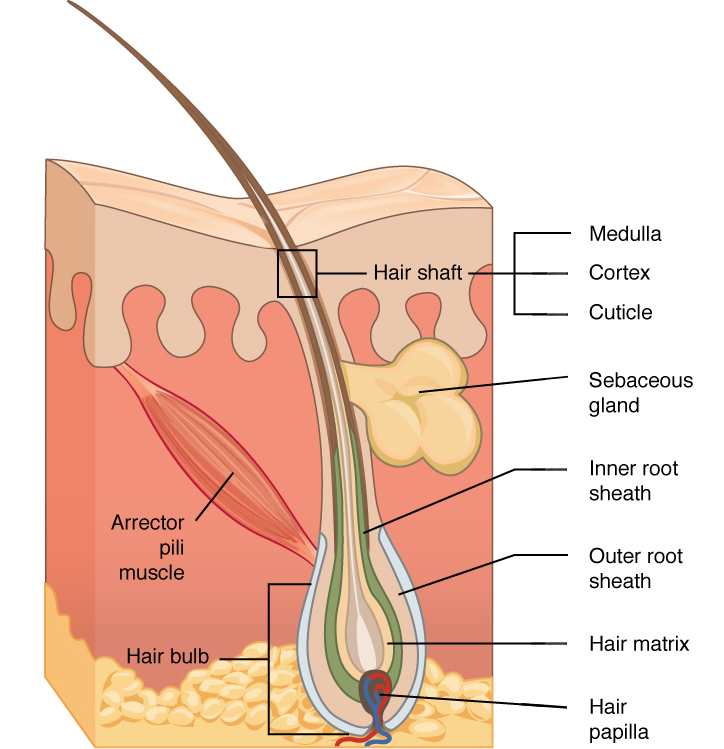
Integumentary System Biology For Majors Ii
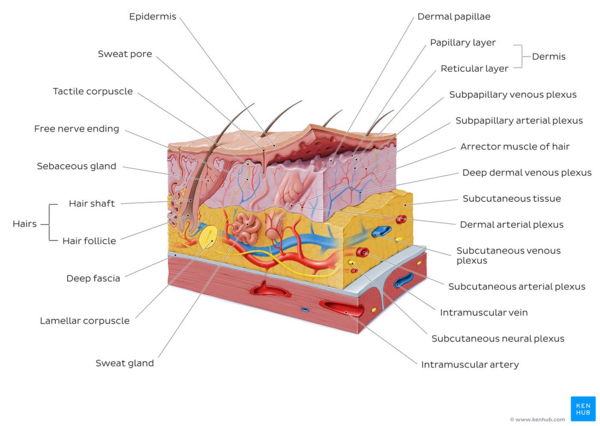
Integumentary System Physiopedia


Comments
Post a Comment